
Bhargav Purohit
AKAL Mortgages Inc.
Contact Info:
About
Languages:
Explore Our Services
Preview Our Rates
Access all your mortgage options with just one application. Preview today's rates first:

Blog
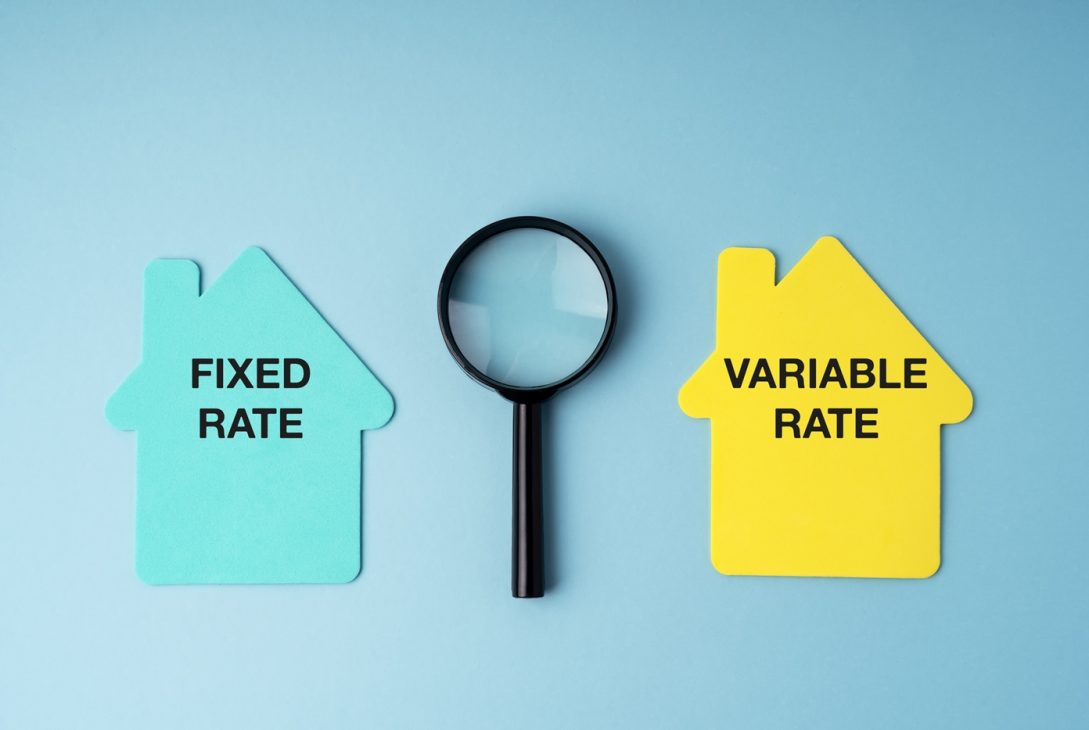
Variable vs Fixed Mortgage Rates in Canada: Which One’s Right for You?
December 02, 2025
Buying a home is one of the biggest financial decisions most Canadians will make and choosing the right mortgage type plays a major role in that journey. One of the first questions every homebuyer faces is whether to go with a fixed or variable mortgage rate.
Both options have their advantages and drawbacks, depending on your financial situation, goals, and tolerance for risk. In this blog, we’ll break down the differences between fixed and variable mortgage rates in Canada, explore their pros and cons, and help you make a confident, well-informed decision.
What Is A Mortgage Rate?
A mortgage rate is the interest you pay on your home loan. It determines how much your monthly payments will be and how much interest you’ll pay over the life of your mortgage.
In Canada, there are two main types of mortgage rates: Fixed and Variable. Let’s explore how they differ.
What Is A Fixed Mortgage Rate?
A fixed-rate mortgage means your interest rate and monthly payments remain the same for the entire term — typically 1 to 5 years, though longer terms are available.
This type of mortgage offers stability and predictability, which is ideal for homeowners who prefer consistent payments and want to avoid surprises from market fluctuations.
Pros Of Fixed Mortgage Rates:
- Predictable Payments: Your rate and payment amount stay constant, making budgeting easier.
- Protection from Rate Increases: Even if the Bank of Canada raises interest rates, your mortgage payments won’t change during your term.
- Peace of Mind: It’s perfect for those who value financial certainty and want to avoid risk.
Cons Of Fixed Mortgage Rates:
- Higher Initial Rate: Fixed rates are usually higher than variable rates at the time of signing.
- Limited Flexibility: Breaking your fixed-rate mortgage early can result in higher penalties compared to variable mortgages.
- Potentially Missed Savings: If rates drop during your term, you won’t benefit from the lower market rate unless you refinance.
What Is A Variable Mortgage Rate?
A variable-rate mortgage (also called an adjustable-rate mortgage) fluctuates with the lender’s prime rate, which is influenced by the Bank of Canada’s overnight rate.
When interest rates go down, your mortgage rate and sometimes your monthly payment may decrease. When rates go up, your costs rise accordingly.
Pros Of Variable Mortgage Rates:
- Lower Initial Rates: Variable rates are often lower than fixed rates at the start of the mortgage term.
- Potential Savings: If interest rates stay stable or decrease, you could pay less interest over time.
- Lower Penalties: If you break your mortgage early, penalties for variable-rate mortgages are typically smaller.
Cons Of Variable Mortgage Rates:
- Uncertain Future Costs: Your rate can change, which may increase your monthly payments.
- Budgeting Challenges: The unpredictability can make long-term budgeting more difficult.
- Emotional Stress: Some homeowners find the uncertainty of changing payments stressful.
How Do Interest Rate Changes Affect You?
The Bank of Canada plays a key role in influencing mortgage rates. When inflation rises, the Bank may increase its policy interest rate to cool spending, which leads to higher variable mortgage rates. Conversely, when the economy slows down, the Bank might lower rates to encourage borrowing and investment.
For fixed mortgages, lenders base their rates on bond yields rather than the prime rate. When bond yields increase, fixed mortgage rates often follow suit.
In recent years, Canada has experienced a mix of rate hikes and slowdowns, making the choice between fixed and variable rates even more crucial for homebuyers.
Which Mortgage Type Is Better For You?
The “right” mortgage depends on your personal situation and financial priorities. Here’s a breakdown to help guide your decision:
Choose A Fixed Mortgage Rate If You:
- Prefer consistent monthly payments
- Have a tight budget and want payment stability
- Plan to stay in your home long-term
- Are risk-averse and don’t want to worry about rate changes
Choose A Variable Mortgage Rate If You:
- Are comfortable with some financial uncertainty
- Have flexibility in your budget to handle possible rate increases
- Believe interest rates will decrease or remain stable
- May refinance or pay off your mortgage early
Real-Life Example: How It Can Affect Your Budget
Let’s imagine you’re purchasing a $600,000 home with a 20% down payment ($120,000) and need a $480,000 mortgage over a 25-year amortization period.
- Fixed Rate Example:
- 5-year fixed rate: 5.5%
- Monthly payment: $2,932
- Total interest over 5 years: ~$81,900
- Variable Rate Example:
- 5-year variable rate: 5.0% (starting)
- Monthly payment: $2,792 (initially)
- If rates stay the same, you save around $8,400 over 5 years.
- But if rates rise by 1%, your payment could increase by about $230/month.
This example shows that while variable rates can offer savings, they also carry the risk of higher payments if the market shifts.
Blended And Hybrid Mortgages: A Middle Ground
If you’re torn between stability and potential savings, a hybrid mortgage might be the best of both worlds.
A hybrid mortgage splits your loan into two portions — one with a fixed rate and one with a variable rate. This approach gives you partial protection against rising rates while still allowing you to benefit if rates drop.
However, not all lenders offer hybrid options, so it’s essential to speak with a qualified mortgage professional.
Expert Tip: Get Professional Mortgage Advice
Before deciding between fixed and variable mortgage rates, talk to a licensed mortgage broker or advisor who understands the market. They can assess your financial goals, review your credit profile, and recommend the most suitable option — sometimes even negotiating better rates on your behalf.
We can help you compare lenders, calculate potential savings, and ensure you’re getting the best deal for your situation.
Final Thoughts
Choosing between a fixed or variable mortgage rate is not just about numbers — it’s about your comfort level with risk and your long-term financial plan.
- If you value certainty, go with a fixed rate.
- If you’re willing to take on some risk for the potential of lower costs, a variable rate might work better.
No matter which you choose, understanding how each option works will help you make a decision that fits your lifestyle, budget, and goals as a Canadian homeowner.

First-Time Home Buyer Guide in Ontario [2025 Update]
September 10, 2025
Introduction: Taking the First Step Toward Homeownership
Buying your first home in Ontario is one of the biggest financial milestones you’ll ever reach. It’s exciting, but it can also feel overwhelming. From figuring out how much you can afford, to navigating mortgage rates, to understanding government incentives, there’s a lot to learn.
That’s where this First-Time Home Buyer Guide (Ontario – 2025 Update) comes in. I’ll walk you through every stage of the mortgage process so you can feel confident and prepared when making one of the most important decisions of your life.
Step 1: Know Your Budget
Before you start house hunting, you need to understand how much you can realistically afford. Lenders look at three major factors:
- Income – Your gross annual household income.
- Debts – Credit cards, car loans, student loans.
- Down Payment – The more you put down, the less you need to borrow.
👉 Pro Tip: Use a mortgage affordability calculator to estimate how much you can qualify for. Keep in mind that in 2025, most lenders in Ontario require you to pass the mortgage stress test, meaning you must qualify at a rate higher than the one you’ll actually pay.
Step 2: Get Pre-Approved
A mortgage pre-approval gives you a clear picture of your budget and shows sellers you’re serious.
How it works:
- Gather documents (pay stubs, tax returns, ID, bank statements).
- A mortgage broker submits your application to lenders.
- Lender provides a pre-approval letter with the maximum amount you can borrow.
Why it matters:
- Locks in an interest rate for 90–120 days.
- Makes your offer stronger in a competitive market.
- Helps you stay focused on homes within your budget.
👉 Ready to get pre-approved? > Book a free consultation with me today
Step 3: First-Time Buyer Incentives in Ontario (2025)
Buying your first home is expensive, but there are several programs designed to help:
- First-Time Home Buyer Incentive (FTHBI) – The government offers shared equity financing, reducing your mortgage payments.
- Home Buyers’ Plan (HBP) – Withdraw up to $60,000 from your RRSP tax-free for your down payment.
- Ontario Land Transfer Tax Rebate – First-time buyers may receive up to $4,000 back.
- Municipal Rebates (Toronto, Ottawa, etc.) – Some cities offer additional rebates.
Key advantages of the HBP:
- No immediate tax deductions—withdrawn funds are not taxed as long as they are repaid within 15 years.
- Larger down payment—a higher down payment reduces the mortgage loan amount, helping buyers secure better mortgage terms and lower interest rates.
- Flexible repayment options—you can pay back your RRSP contributions gradually, helping you manage your finances efficiently.
This program is a great option for buyers who have been saving for retirement but want to leverage those funds to achieve homeownership sooner.
First Home Savings Account (FHSA)
- Contribute up to $8,000 per year (lifetime max $40,000)
- Contributions are tax-deductible
- Withdrawals for your first home are tax-free
- Can be combined with the HBP for maximum savings
👉 Pro Tip: These programs change often—connect with a mortgage agent to make sure you don’t leave money on the table.
Step 4: Choose the Right Mortgage Option
Not all mortgages are the same. Choosing the right one depends on your financial goals and comfort with risk.
- Fixed Rate Mortgage – Stable payments for the entire term. Great for budgeting.
- Variable Rate Mortgage – Payments may change with interest rates. Often cheaper long-term, but less predictable.
- Open vs. Closed Mortgage – Open gives you flexibility to pay off early, while closed usually offers lower rates.
👉 Pro Tip: First-time buyers in Ontario often prefer fixed rates for peace of mind. But if you’re financially flexible, a variable rate might save you money.
Step 5: Understand Closing Costs
Many first-time buyers focus only on their down payment, but closing costs can add up to 1.5%–4% of the purchase price.
Here’s what to budget for:
- Land transfer tax (minus your rebate).
- Legal fees.
- Title insurance.
- Home inspection.
- Moving costs.
👉 Example: On a $500,000 home in Ontario, you should budget $7,500–$12,000 for closing costs.
Step 6: Avoid Common First-Time Buyer Mistakes
Buying your first home comes with a learning curve. Avoid these common pitfalls:
❌ Not getting pre-approved before house hunting.
❌ Overextending your budget.
❌ Forgetting about closing costs.
❌ Taking on new debt before closing.
❌ Not shopping around for the best mortgage rate.
👉 Pro Tip: A mortgage broker (like me) works with multiple lenders to find the best deal, instead of relying on just one bank.
Step 7: The Final Step – Make Your Move
Once you’ve been pre-approved, chosen the right mortgage product, and factored in all your costs, you’re ready to start house hunting with confidence.
Remember:
- Stay within your budget.
- Don’t skip the home inspection.
- Keep your finances stable until closing.
Conclusion: Start Your Journey Today
Buying your first home in Ontario in 2025 doesn’t have to be stressful. With the right guidance, smart planning, and access to the right mortgage options, you can move into your dream home sooner than you think.
👉 Ready to buy your first home?
- ✅ Get pre-approved today
- ✅ Book a free consultation with me

Stay Connected
Subscribe to our Newsletter and you'll stay up to date on rates that help you save thousands in interest.